Quick Summary
TL;DR: Common Roof Problems After Montana Winters
- Shingle Damage: Snow, ice, and strong winds can loosen or remove shingles during winter.
- Ice Dams: Ice buildup can trap melting snow and allow water to enter beneath roofing materials.
- Roof Leaks: Small cracks and damaged flashing may lead to leaks when snow starts melting.
- Gutter Problems: Ice and debris can block gutters and prevent proper drainage.
- Spring Maintenance: A professional roof inspection can help find winter damage before it becomes more serious.
Get Your Roof Ready for Spring
Winter damage may not always be visible from the ground. Schedule a professional roof inspection with Ever-Green Roofing to check your roof and plan any needed repairs.
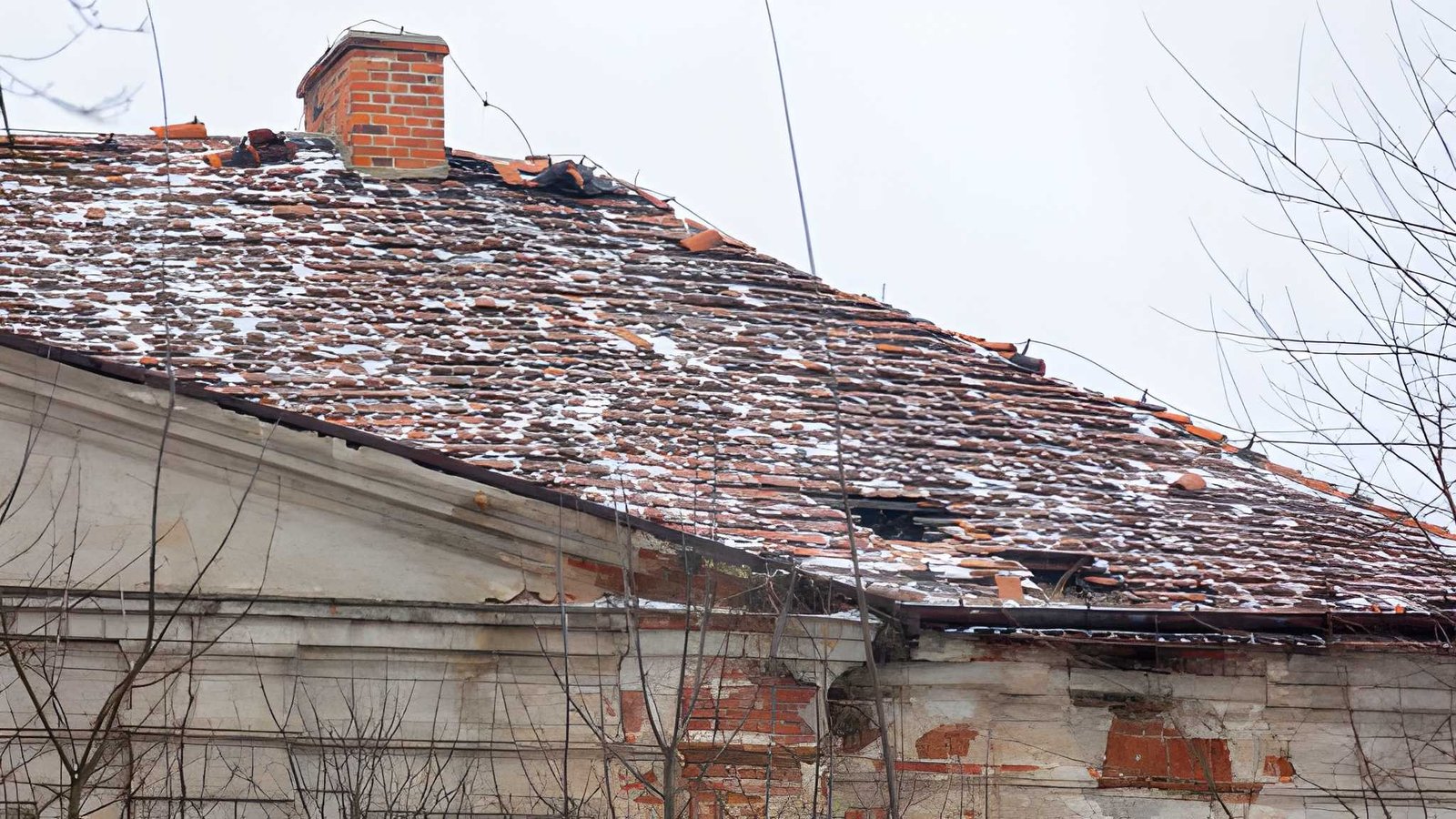
Post winter roof problems are common in Montana because months of snow, ice, freezing temperatures, and strong winds can put stress on roofing materials. Even a roof that looks fine from the ground may have hidden damage after a long winter. Spring is the right time to check for these issues, repair weak areas, and prepare your roof for warmer weather and spring rain.
Why Do Montana Winters Cause Roof Damage?
Montana winters can be hard on residential and commercial roofs. Heavy snow, ice buildup, strong winds, and sudden temperature changes can affect different parts of a roofing system. When snow melts during the day and freezes again at night, water may enter small openings and cause damage.
Common winter conditions that affect roofs include:
- Heavy snowfall that adds weight to the roof.
- Ice buildup around gutters and roof edges.
- Strong winds that loosen shingles and flashing.
- Repeated freezing and thawing.
- Snowmelt that exposes weak areas to water.
These conditions make it important to check the roof after winter. Early repairs can help prevent seasonal damage from becoming a larger problem.
Common Roofing Problems to Check After Winter
A roof may have several types of damage after months of harsh weather. Some problems are easy to spot, while others may remain hidden until rain enters the building. Checking the main parts of the roofing system can help property owners understand what needs attention.
1. Missing or Damaged Shingles
Winter winds and ice can loosen shingles or cause them to crack. Once shingles are damaged, the layers below may become exposed to rain and melting snow.
Check for:
- Missing shingles.
- Cracked or curled edges.
- Loose roofing materials.
- Shingle pieces in the yard.
- Excessive granules in gutters.
Even a small damaged area can allow moisture to enter the roof. Timely residential roof repair can help prevent further damage and protect the layers beneath the shingles.
2. Ice Dam Damage
Ice dams form when melting snow freezes again near the colder edges of a roof. This creates a barrier that prevents water from draining properly. As water collects behind the ice, it may move beneath shingles and enter the attic or walls.
Watch for these signs:
- Water stains near exterior walls.
- Damaged shingles near roof edges.
- Wet attic insulation.
- Ice-related damage around gutters.
- Peeling paint or ceiling marks.
Proper attic insulation and ventilation can help reduce the conditions that lead to ice dams. Homeowners should also keep gutters clear before winter begins.
3. Damaged Flashing and Roof Seals
Flashing protects areas around chimneys, vents, skylights, and other roof openings. Snow, ice, and temperature changes can affect these seals over time. If flashing becomes loose or damaged, water may enter even when the main roofing material looks fine.
Look for loose flashing, cracked sealant, gaps, or rust. These areas should be checked during a professional inspection because small openings can lead to hidden water damage.
4. Gutter and Drainage Problems
Melting snow can carry dirt, leaves, and debris into gutters and downspouts. If these areas become blocked, water may overflow and collect near the roof edges.
Check for:
- Loose or sagging gutters.
- Blocked downspouts.
- Cracks or damaged joints.
- Water stains along exterior walls.
- Poor drainage around the foundation.
Clear drainage paths help direct water away from the roof and building. This is especially important when spring rain begins.
5. Attic Moisture and Poor Ventilation
Winter temperature changes can create moisture problems inside the attic. Poor ventilation and heat loss from the living space may contribute to condensation and ice dam formation.
Check for damp insulation, dark spots, musty smells, and signs of moisture on wooden surfaces. These issues may affect indoor comfort and the condition of the roof structure.
How Can You Identify Early Signs of Roof Damage?
Not all roof damage causes an immediate leak. Some issues develop slowly and become more visible when spring rain begins. Homeowners searching for “Signs Roof Is Failing” should pay attention to changes in the roof, attic, and ceilings.
Watch for these warning signs:
- Water stains on ceilings or walls.
- Sagging sections along the roofline.
- Missing or loose shingles.
- Cracks around flashing.
- Damp insulation in the attic.
- Mold or unusual moisture smells.
- Damaged gutters and roof edges.
If you notice any of these signs, avoid climbing onto the roof yourself. A roofing professional can safely check the affected areas and recommend the next steps.
Why Is a Spring Roof Inspection Important?
Spring is a useful time to assess roof damage because most snow has melted and roofing materials are easier to evaluate. A roof inspection spring appointment can help uncover issues that developed during winter and prepare the roof for upcoming rain.
A professional assessment should include:
- Roof Surface: Check for missing shingles, cracks, and other visible damage.
- Flashing: Examine seals around chimneys, vents, and roof openings.
- Gutters: Look for blockages, loose sections, and drainage concerns.
- Attic: Check for moisture, damaged insulation, and poor airflow.
- Roof Structure: Look for sagging or other signs of weakness.
Homeowners should also consider the type of roofing material installed. For example, people planning a roof upgrade may ask, “Are Metal Roofs Colder in Winter?” Metal roofing does not automatically make a home colder. Proper insulation, ventilation, and installation play a major role in indoor comfort.
When Should You Schedule Roof Repairs?
You should arrange repairs as soon as you notice visible damage or signs of water entering your property. Waiting until the next major storm can allow moisture to spread and affect more areas of the building.
Professional help is important when:
- Water is entering the attic or living space.
- Shingles are missing or badly damaged.
- Flashing has separated from the roof.
- The roof appears to sag.
- Gutters or drainage systems are damaged.
Homeowners may wonder, “How Urgent Is a Roof Leak?” The answer depends on how much water is entering and whether the damage is getting worse. An active leak, sagging ceiling, or water near electrical fixtures needs prompt attention.
If water is actively entering your home, emergency roof repair may help limit further damage. Avoid touching wet electrical fixtures or entering areas with visible structural concerns.
Ever-Green Roofing provides inspections and repair support for Montana properties. You can explore its residential roofing services and emergency roofing solutions to learn more.
For additional information about protecting your roof during cold weather, visit the U.S. Department of Energy.
Conclusion
Montana winters can leave behind hidden roofing damage that may not become clear until spring. Missing shingles, ice dam damage, blocked gutters, and moisture problems should all be checked before they become larger concerns. Even Small Roof Leak Problems can lead to more costly repairs when left untreated. Regular maintenance and timely repairs can help protect your property throughout the year.
Give your roof the attention it needs after winter. Contact Ever-Green Roofing today to schedule a professional inspection and get your roof ready for the changing Montana weather.
Frequently Asked Questions
1. When should I check my roof after winter?
Spring is a good time to check your roof after snow and ice have melted. An inspection can help identify winter damage before heavy spring rain arrives.
2. What is the most common roof damage after winter?
Common problems include missing shingles, ice dam damage, loose flashing, blocked gutters, and moisture in the attic. The exact issues depend on the roof’s age, materials, and weather exposure.
3. Can winter damage cause roof leaks in spring?
Yes. Cracked shingles, damaged flashing, and ice-related problems can create openings that allow rainwater to enter the building. Some leaks only become noticeable after snow melts.
4. How often should I have my roof inspected?
A yearly professional inspection is a useful maintenance step. You should also arrange an inspection after severe storms or whenever you notice signs of damage.
5. Can small winter roof damage become a major problem?
Yes. Minor cracks, loose shingles, and damaged seals can allow moisture to enter the roofing system. If left untreated, these issues may lead to insulation damage, mold, and costly repairs.