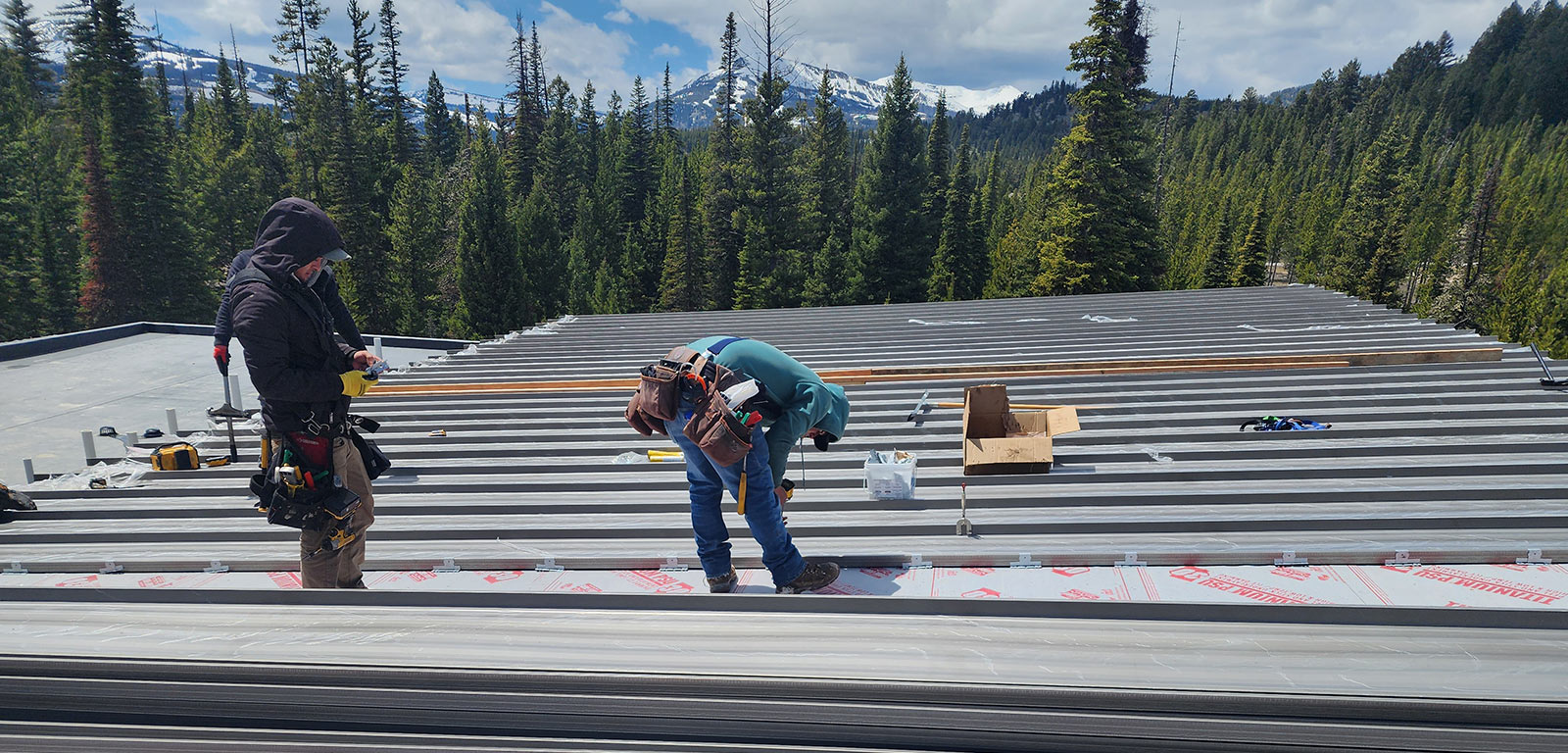
Residential roof failure can happen long before a homeowner expects a roof to need replacement. Poor installation, weather exposure, drainage problems, aging materials, and missed maintenance can all shorten a roof’s useful life. In Montana, homes face snow, ice, wind, hail, and changing temperatures, which can add stress to roofing materials. Knowing the common causes can help homeowners find problems early and know when professional roofing services may be needed to protect their homes from costly water damage.
Key Takeaways
A residential roof does more than keep rain and snow out. It protects the home’s structure, insulation, walls, and belongings from the elements. When a roof starts to weaken, small defects can grow into leaks and larger repairs. Regular inspections and timely maintenance can help homeowners catch these issues before they become serious.
- Poor installation can cause roofing problems years before expected.
- Snow, ice, hail, wind, and temperature changes can damage roofing materials.
- Blocked gutters and poor drainage can allow water to collect around the home.
- Membrane movement can create stress around seams and roof edges.
- Damaged flashing can allow water to enter around roof openings.
- Regular inspections can help identify early damage.
- Quick repairs can help extend the life of an existing roof.
What Causes Residential Roof Failure?
A residential roof is made up of several parts that work together to protect the home. These can include shingles or other roofing materials, underlayment, flashing, ventilation, insulation, and the roof deck. A problem with one part can affect another. For example, damaged flashing around a chimney may allow water beneath the roofing material and into the home.
The most common causes include:
- Poor roofing installation
- Aging roofing materials
- Storm and weather damage
- Poor drainage
- Damaged flashing
- Roof ventilation problems
- Improper repairs
- Lack of regular maintenance
The U.S. Department of Energy explains that the roof is a home’s main defense against rain, snow, and ice. It also notes that water entering through the roof can damage insulation and contribute to structural problems.
How Poor Installation Can Cause Early Roof Problems
Poor installation is one of the most common reasons a residential roof can fail earlier than expected. Incorrect shingle placement, loose flashing, poor ventilation, and improper sealing around roof penetrations can allow moisture to enter the roofing system. These problems may remain hidden until water damage becomes visible inside the home. Addressing installation issues early can reduce the need for extensive residential roof repair and help extend the roof’s service life.
Homeowners should pay attention to:
- Loose or poorly installed shingles
- Exposed nails
- Improper flashing
- Open roof-to-wall joints
- Poorly sealed penetrations
- Damaged underlayment
- Improper ventilation
- Uneven roofing surfaces
Proper installation helps create a continuous barrier against water. The Department of Energy notes that vulnerable areas such as roof valleys, wall intersections, and roof penetrations need careful water management and flashing.
How Weather Can Damage a Residential Roof
Montana homes can experience demanding weather throughout the year. Snow and ice can place weight and moisture stress on a roof, while strong winds and hail can damage exposed roofing materials. Repeated temperature changes can also cause materials to expand and contract, which may contribute to wear over time.
Weather-related roof damage may include:
- Missing or damaged shingles
- Hail impact marks
- Cracked flashing
- Wind damage
- Ice-related damage
- Damaged roof edges
- Exposed roofing layers
Homeowners should inspect their roofs after major storms when it is safe to do so. A professional inspection is often useful because some storm damage may not be easy to see from the ground.
How Membrane Shrinkage Can Affect a Roof
Membrane shrinkage can create stress in roofing systems that use membrane materials. As a membrane changes or pulls over time, stress may develop around seams, edges, flashing, and other connection points. This can create openings that allow water to reach the layers beneath the roof surface.
Potential warning signs include:
- Tight or stretched membrane areas
- Open seams
- Pulled flashing
- Gaps around roof edges
- Separation around penetrations
- Wrinkled roofing areas
The cause should be identified before a repair is selected. A visible gap may be the result of a wider issue, so simply covering the area may not solve the underlying problem.
Why Roof Drainage Issues Can Lead to Damage
Roof drainage issues can cause trouble when water does not move away from the home as intended. Gutters, downspouts, valleys, and roof slopes all help control water. When these areas become blocked or damaged, water can collect around the roof or flow toward parts of the home that should remain dry.
Watch for:
- Overflowing gutters
- Blocked downspouts
- Water pooling near roof edges
- Leaves and debris in gutters
- Damaged gutter sections
- Water stains below roof edges
- Soil erosion near downspouts
The Department of Energy recommends using properly sized gutters and downspouts to direct roof runoff away from the home. Good drainage can also help reduce moisture problems around the foundation.
Why Flashing Is Important on Residential Roofs
Flashing helps protect areas where roofing materials meet walls, chimneys, vents, skylights, and other openings. These locations can be more vulnerable because the roof surface is interrupted. If flashing is missing, damaged, or poorly installed, water may find a path beneath the roofing materials.
Important areas to check include:
- Chimneys
- Plumbing vents
- Skylights
- Roof-to-wall intersections
- Valleys
- Dormers
- Roof edges
- Solar equipment mounting points
Building America guidance identifies roof penetrations as potential weak points in the water control layer. Proper flashing helps direct water away from these areas and reduces the chance of water entering the home.
How Aging Roofing Materials Affect Your Home
Roofing materials become more vulnerable as they age. Sun exposure, snow, rain, wind, and temperature changes can gradually reduce their ability to protect the home. An older roof does not automatically need replacement, but it does require closer attention.
Common signs of aging include:
- Curling or cracked shingles
- Missing granules
- Worn roof edges
- Repeated leaks
- Brittle materials
- Damaged flashing
- Frequent repair needs
- Visible deterioration
A roof that requires repairs again and again may need a broader evaluation. Looking at the entire roofing system can help determine whether continued repairs make sense or whether replacement should be considered.
Signs That Your Roof May Be Failing
Homeowners often notice roof problems only after water reaches the ceiling. However, damage may start outside or beneath the visible roof surface much earlier. Learning to recognize early warning signs can give homeowners more time to arrange an inspection and avoid larger damage.
Look for:
- Missing or broken shingles
- Curling or lifted shingles
- Sagging roof areas
- Water stains on ceilings
- Damaged flashing
- Excessive granules in gutters
- Repeated leaks
- Moss or moisture buildup
- Damaged roof edges
Homeowners should watch for visible changes that may indicate roof damage is getting worse. Curling or missing shingles, damaged flashing, sagging areas, water stains, and excessive granule loss are some common Signs Roof Is Failing.
These issues can become more serious when they are ignored, especially after heavy snow, hail, or strong winds. Regular roof inspections can help identify problems early and give homeowners time to address them before they lead to major water or structural damage.
Can Small Roof Problems Become Major Repairs?
Small Roof Leak Problems can seem easy to ignore when the water stops after a storm. However, the end of visible dripping does not necessarily mean the roof has stopped leaking. Water can move through insulation, wood, ceilings, and walls before appearing inside the home.
A small roof problem can eventually affect:
- Roof decking
- Insulation
- Ceiling materials
- Wall finishes
- Wood framing
- Electrical components
- Stored belongings
The Department of Energy explains that water entering a roof assembly can damage insulation and create conditions that support mold growth and structural deterioration.
How Poor Ventilation Can Affect a Roof
Roof ventilation helps manage heat and moisture in the attic. When airflow is not balanced, moisture can build up in some conditions. Excess moisture may affect wood components and insulation, while excessive heat can contribute to problems with some roofing materials.
Homeowners should watch for:
- Excessive attic moisture
- Condensation
- Damp insulation
- Musty attic odors
- Damaged wood
- Uneven attic temperatures
- Poor or blocked ventilation openings
Ventilation should be evaluated as part of the whole roofing system. Adding a vent without considering the existing airflow may not solve the actual problem.
How Poor Maintenance Can Shorten Roof Life
Routine maintenance gives homeowners a chance to find problems while they are still manageable. Gutters can become blocked, flashing can loosen, and storm damage can go unnoticed when the roof is rarely checked. Regular inspections are especially useful for homes exposed to harsh winter weather.
A basic maintenance plan should include:
- Schedule regular roof inspections.
- Clear gutters and downspouts.
- Check the roof after major storms.
- Look for missing or damaged shingles.
- Inspect flashing around roof openings.
- Remove debris from the roof when safe.
- Keep records of previous repairs.
Ever-Green recommends residential roof inspections at least once a year and after major storms to identify potential problems early.
How to Protect a Roof During Montana Winters
Winter can be hard on residential roofs. Snow, ice, freezing temperatures, and repeated freeze-thaw cycles can expose weak areas. Homeowners should not climb onto an icy roof to inspect it because roof surfaces can become extremely slippery and unsafe.
Instead, homeowners can:
- Schedule a professional inspection before winter.
- Keep gutters clear before snow arrives.
- Watch for interior water stains.
- Check attic areas for moisture.
- Look for damaged flashing from the ground.
- Arrange a professional inspection after severe storms.
A winter maintenance plan can help identify weaknesses before heavy snow or ice creates additional stress on the roofing system.
When Should You Repair or Replace a Roof?
The decision to repair or replace a roof depends on its age, condition, damage level, and repair history. One damaged shingle may need only a small repair. Widespread deterioration, repeated leaks, or significant structural concerns may point toward replacement.
A professional assessment should consider:
- Age of the roof
- Extent of damage
- Number of previous repairs
- Condition of the roof deck
- Condition of flashing
- Evidence of water intrusion
- Remaining useful life
- Expected future repair needs
Trying to repair every individual problem may not always be the most cost-effective approach when the entire roofing system is nearing the end of its service life.
How Regular Inspections Can Prevent Early Roof Failure
Regular inspections can help homeowners understand how their roof is changing over time. An inspection can identify visible damage and areas that may need closer attention. It can also help homeowners plan maintenance instead of waiting for an active leak.
An inspection may include:
- Shingle condition
- Flashing
- Roof valleys
- Roof penetrations
- Gutters and drainage
- Roof edges
- Visible sagging
- Signs of moisture
For homes in Montana, inspections can be especially useful after major storms. Ever-Green provides residential roof inspections and evaluates roofing systems for damage, structural concerns, and other potential problem areas.
How Homeowners Can Extend Roof Life
A roof lasts longer when small problems are handled before they spread. Homeowners do not need to inspect every part of the roof themselves. Instead, they can combine simple ground-level checks with professional inspections and routine maintenance.
Helpful steps include:
- Keep gutters and downspouts clear.
- Schedule annual inspections.
- Check for visible storm damage.
- Repair damaged flashing promptly.
- Watch for recurring leaks.
- Keep attic ventilation in good condition.
- Avoid unnecessary roof traffic.
- Keep records of roof repairs and inspections.
Good maintenance does not guarantee that a roof will never fail, but it can help reduce preventable damage and give homeowners better information about when repairs or replacement may be needed.
When Should You Call a Roofing Professional?
Homeowners should contact a roofing professional when they notice active leaks, storm damage, missing roofing materials, sagging, repeated repairs, or other changes that suggest the roof may be deteriorating. Professional help is also important when a roof is difficult or unsafe to access.
Consider scheduling an inspection when:
- A leak keeps returning.
- Shingles are missing or damaged.
- The roof has visible sagging.
- Flashing is loose or damaged.
- Water stains appear indoors.
- Storm damage is suspected.
- The roof is approaching the end of its expected life.
Professional residential roof repair can address isolated damage and may help prevent a small defect from affecting larger sections of the roofing system.
What About Roofing Insurance Claims?
Storm damage may lead homeowners to consider roof insurance claims, but coverage depends on the individual insurance policy and the cause of the damage. Homeowners should document visible damage and keep records of inspections and repairs.
Useful records can include:
- Photos of exterior damage
- Photos of interior water damage
- The date damage was discovered
- Weather information
- Inspection reports
- Repair estimates
- Previous maintenance records
Insurance requirements vary, so homeowners should review their policy and speak with their insurance provider about coverage and claim procedures.
Final Thoughts
Residential roof failure is often the result of several problems working together. Poor installation, weather exposure, aging materials, drainage concerns, damaged flashing, and missed maintenance can all reduce roof performance. The good news is that many issues can be found early through regular inspections and proper maintenance.
For Montana homeowners, keeping a roof in good condition is especially important because snow, ice, wind, hail, and changing temperatures can place extra stress on roofing materials. Addressing problems early can help protect the home’s structure and reduce the risk of expensive water damage.
Ever-Green provides residential roofing inspections, repairs, maintenance, and replacement services for Montana homeowners. Its residential roofing team can assess the current condition of a roof and recommend a solution based on the home’s needs.
Is your roof showing signs of damage or aging? Contact Ever-Green team today to schedule a professional roof inspection and find the right solution for your home.
Frequently Asked Questions
What are the common causes of residential roof failure?
Common causes include poor installation, aging materials, storm damage, poor drainage, damaged flashing, ventilation problems, and lack of regular maintenance.
How does poor drainage affect a residential roof?
Poor drainage can cause water to collect on or around the roof. Over time, this moisture can damage roofing materials, flashing, insulation, and other parts of the home.
What are the signs of a failing residential roof?
Common signs include missing or damaged shingles, curling shingles, sagging areas, water stains, damaged flashing, excessive granules in gutters, recurring leaks, and visible roof deterioration.
Can regular roof maintenance prevent early roof failure?
Regular maintenance can help identify small problems before they become major issues. Inspections, gutter cleaning, storm checks, and timely repairs can help extend the useful life of a roof.
When should a homeowner consider replacing a roof?
Replacement may be worth considering when a roof has widespread damage, repeated leaks, significant deterioration, or is nearing the end of its expected service life. A professional inspection can help determine the best option.