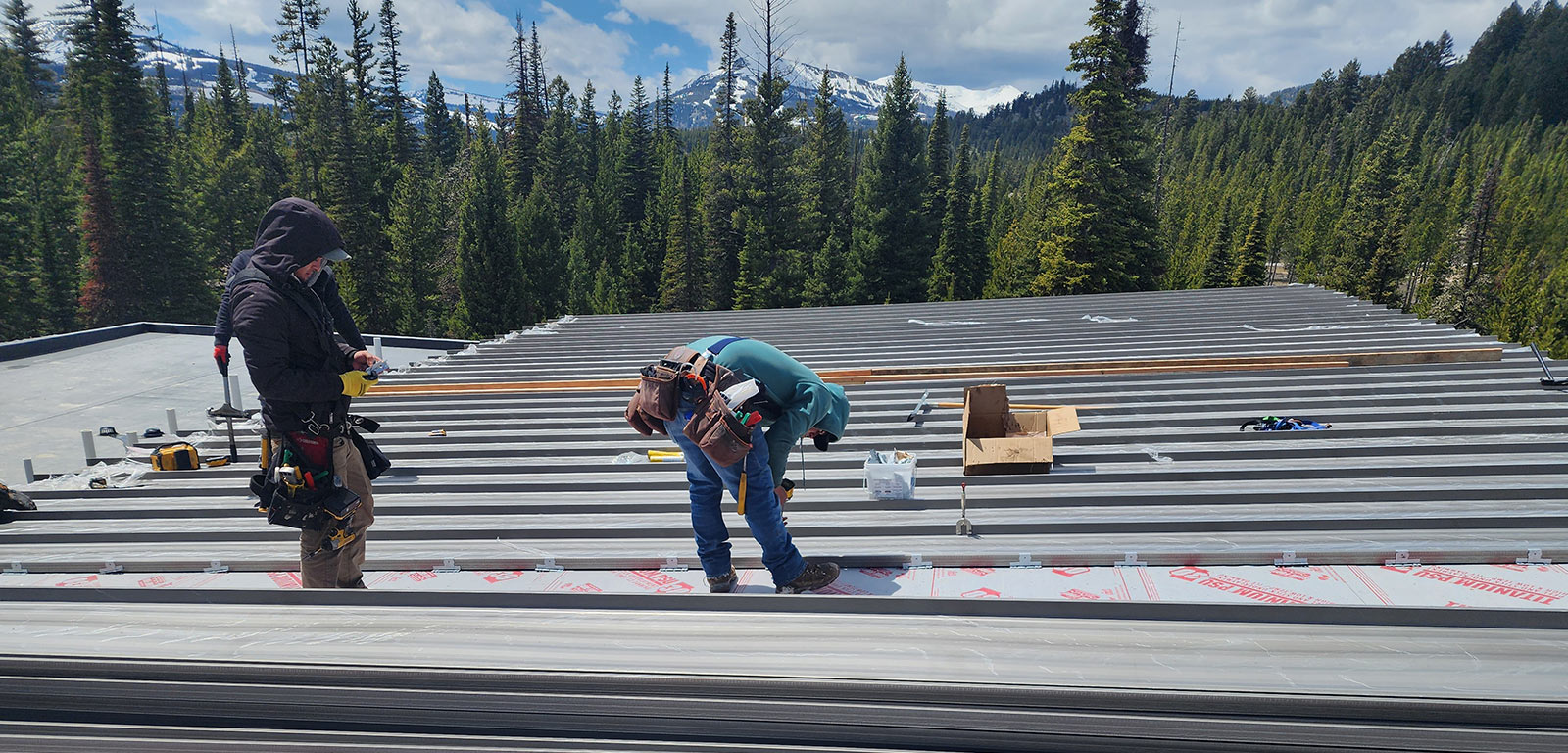
Are metal roofs colder in winter? Not always. Metal can feel cold to the touch because it moves heat well, but that does not mean a home with a metal roof will feel colder inside. Indoor comfort depends on insulation, air leaks, attic airflow, and the full roof design. With the right setup, a metal roof can help keep a home warm during cold weather.
Key Takeaways
- Metal roofs do not automatically make homes colder in winter.
- Insulation helps slow heat loss through the roof.
- Air leaks can make rooms feel cold, even with a good roof.
- Roof color and sunlight affect how much heat the roof takes in.
- A well-built roof system can support comfort in every season.
Why Do People Think Metal Roofs Make Homes Colder?
Metal is a good heat conductor. This means heat can move through it more easily than through many other building materials. When the outdoor air is cold, the metal surface can become cold as well. However, the temperature of the roof surface is not the same as the temperature inside the home.
The full roof system matters more than the outer material alone. Insulation, air barriers, and the space between the roof and living areas all affect how much heat stays indoors. A metal roof without proper insulation may allow heat to escape, but a well-built system can limit that loss.
Here are the main reasons people may notice cold rooms under a roof:
- Thin or missing insulation.
- Gaps around vents, pipes, or ceiling lights.
- Poorly sealed attic openings.
- Cold air moving through roof or wall gaps.
- A heating system that cannot keep up with heat loss.
These factors can affect homes with many types of roofs. Metal alone is not proof that a house will be cold.
How Does Insulation Keep a Metal-Roofed Home Warm?
Insulation slows the movement of heat between warm and cold spaces. During winter, it helps keep indoor heat from escaping through the ceiling and roof. In summer, it can also slow outdoor heat from moving into the home.
Good metal roof insulation depends on the roof design, local weather, and how the attic or roof space is built. Some systems place insulation above the roof deck, while others use insulation below it. The right choice depends on the building and its needs.
A well-planned roof system should focus on:
- Enough insulation: The amount should fit the local climate and building design.
- Air sealing: Small gaps can let warm indoor air escape.
- Moisture control: Warm, moist air can cause condensation on cold surfaces.
- Proper airflow: The roof space needs a design that manages moisture and heat.
- Careful installation: Gaps and poorly fitted materials can reduce performance.
The U.S. Department of Energy explains that insulation helps reduce heat loss and heat gain through a building’s roof. Read its guide to cool roofs and insulation to learn how roof surfaces and insulation affect energy use.
What Makes a Home With a Metal Roof Feel Cold?
A cold home often has more than one cause. The roof may be part of the problem, but air leaks, windows, doors, and wall insulation can also affect indoor comfort. If one room feels colder than the rest, the cause may be limited to that part of the building.
For example, a bedroom under an attic with thin insulation may lose more heat than a room below a well-insulated space. Cold air may also enter through gaps around attic doors or other openings.
Check these areas if your home feels cold:
- The attic floor: Look for thin, uneven, or missing insulation.
- Ceiling openings: Gaps around lights and pipes can let air move through.
- Roof joints: Poor seals may allow unwanted airflow.
- Windows and doors: Loose seals can let cold air enter.
- Heating vents: Blocked vents may stop warm air from reaching some rooms.
A careful check can help show whether the roof system needs work or if another part of the home is losing heat.
Do Metal Roofs Lose Heat Faster Than Other Roofs?
The answer depends on the full roof system. Metal transfers heat well, but a roof has more parts than its outer surface. Insulation, the roof deck, air gaps, and ceiling materials all affect heat flow into and out of the home.
A roof made from another material can also lose heat if it has poor insulation or gaps. Likewise, a metal roof can perform well when it is built with suitable insulation and proper seals.
When comparing roofing materials, look at these points:
- The insulation level of the complete roof system.
- How well the ceiling and roof openings are sealed.
- The type and condition of the roof deck.
- The local winter climate.
- The quality of the installation.
- The amount of upkeep the roof may need.
Rather than choosing a roof based on the outer material alone, compare the expected performance of the full system. This gives a clearer picture of comfort and energy use.
Can Metal Roof Color Affect Indoor Temperature?
Yes. Roof color can affect how much sunlight the outer surface absorbs. Dark surfaces often absorb more sunlight, while lighter or specially coated surfaces can reflect more of it. This can affect roof surface temperature, mainly on sunny days.
However, a roof’s color does not control indoor temperature by itself. Insulation and air sealing still play a major role. A reflective roof may reduce summer heat gain, but it does not replace the need for enough insulation during winter.
When choosing a roof color, consider:
- The weather in your area.
- The amount of direct sunlight the roof receives.
- The roof’s reflective properties.
- The insulation beneath the metal panels.
- The look of the home and nearby buildings.
The U.S. Department of Energy notes that reflective roofs can lower heat gain in warm conditions. It also explains that the effect on winter heating can vary. Read its cool roof guide for more details.
Are Metal Roofs a Good Choice for Snowy Winters?
Metal roofs can work well in areas that receive snow, but the result depends on the roof design and local conditions. Snow may slide off a smooth metal surface more easily than some other materials. This can help reduce the time snow stays on the roof, but it can also create a falling-snow hazard.
The roof must still be built to handle local snow loads. The slope, fasteners, support structure, and panel design all matter. Snow guards may also be needed in areas where sliding snow could hurt people or damage property.
Before choosing a roof for a snowy climate, consider:
- Whether the structure can support local snow loads.
- How the roof slope affects snow movement.
- Whether snow guards are needed above doors or walkways.
- How roof edges and valleys handle melting snow.
- Whether the attic has enough insulation and airflow.
- How ice may form near roof edges.
A metal roof is not a complete solution to winter roof concerns. Proper design and installation are needed to support safety and indoor comfort.
Which Winter Roofing Myths Should Homeowners Ignore?
Many winter roofing myths come from looking at one part of a roof instead of the whole system. Metal feels cold, so some people assume it makes the rooms below cold. Others believe that snow on a roof always means the home has poor insulation. Neither idea tells the full story.
It is better to look at the roof’s design, insulation, and condition before deciding whether a change is needed.
Here are a few common myths and the facts behind them:
- Myth: Metal roofs always make rooms colder.
Fact: Indoor comfort depends on the full roof system and the building. - Myth: More heat inside means better insulation.
Fact: Heat may be escaping through gaps or poorly insulated areas. - Myth: Snow always stays on metal roofs.
Fact: Snow movement depends on slope, surface, weather, and roof design. - Myth: A dark roof is always warmer indoors.
Fact: Roof color affects surface heat, but insulation has a major role in indoor comfort. - Myth: A new roof fixes every cold room.
Fact: Drafts, windows, walls, and heating systems may also need attention.
A good decision starts with finding the cause of the problem instead of relying on a general rule.
How Can You Improve Winter Comfort Under a Metal Roof?
If your home feels cold, start by checking where heat may be escaping. A full roof replacement may not be needed. In some cases, better insulation or air sealing can improve comfort without changing the outer roof material.
A professional assessment can help you decide which changes are worth making. The right plan should consider both heat loss and moisture. Sealing a roof space without a suitable airflow and moisture plan can create new concerns.
Helpful steps include:
- Check the attic for thin or missing insulation.
- Seal suitable gaps around attic openings and ceiling fixtures.
- Look for signs of water entry or damp insulation.
- Check whether windows and doors have worn seals.
- Keep heating vents clear and check airflow between rooms.
- Ask a qualified professional whether the roof design needs changes.
If insulation is added, it should fit the roof system and local building needs. Avoid blocking vents or covering electrical parts that need access. Correct installation helps protect the home while supporting steady indoor temperatures.
When Should You Have Your Roof Checked?
A cold room does not always mean the roof is failing. Still, changes in indoor comfort can be a reason to look for gaps, water damage, or worn materials. A roof may need attention if it also has leaks, loose panels, damaged fasteners, or signs of rust.
A trained professional can review the roof and help find the cause. This may include checking the outer panels, roof edges, attic insulation, and areas around vents or chimneys.
Arrange a closer check if you notice:
- Water stains on ceilings or walls.
- Loose or lifted metal panels.
- Rust or damaged roof fasteners.
- Damp or compressed insulation.
- Drafts near the ceiling.
- Uneven indoor temperatures that continue despite heating.
A professional roof inspection can help you understand whether repairs, insulation work, or another change is needed. Fixing the cause early may help prevent more damage and improve comfort.
How Should You Choose a Roofing Professional?
Choose a contractor who understands both the roof covering and the parts beneath it. A good assessment should consider insulation, air sealing, moisture control, and the condition of the roof itself. This is especially important if your home feels cold and also shows signs of leaks or water damage.
Ask the contractor to explain what they found and why they recommend each repair. A clear plan helps you compare costs and avoid work that does not address the real cause.
Before hiring a professional, ask:
- Do you have experience with metal roof systems?
- Will you check insulation and possible air leaks?
- Can you explain which repairs are needed and why?
- Will you provide a written estimate?
- What care will the roof need after the work is done?
A commercial roofing company may also be relevant for owners of offices, shops, or other business buildings. Commercial roof systems can have different insulation, drainage, and design needs from homes.
Conclusion
Are metal roofs colder in winter? The roof surface can become cold, but a metal roof does not automatically make a home colder. Good insulation, proper air sealing, and a roof system suited to the local climate can help keep indoor spaces comfortable.
If your home feels cold, start by finding where heat is escaping. The right changes may improve comfort without the need for a full roof replacement.
For more information about roof options and care, visit Evergreen MT. Contact Evergreen MT today to discuss your roof and find the right next step for your home.
Frequently Asked Questions
1. Are metal roofs colder than shingle roofs in winter?
Not by default. The temperature inside a home depends on insulation, air leaks, roof design, and other building parts. A poorly insulated roof can lose heat regardless of the outer material. Compare complete roof systems rather than just the surface.
2. Do metal roofs make homes colder at night?
Metal cools as outdoor temperatures fall, but that does not mean the rooms below will become cold. Insulation and air sealing help limit heat loss at night. If rooms cool too quickly, check for drafts, thin insulation, and heating concerns.
3. Is a metal roof good for cold climates?
Yes, metal roofs can suit cold climates when they are designed and installed for local weather. Snow loads, roof slope, insulation, moisture control, and snow guards may all matter. Ask a local professional about the needs of your home.
4. Does metal roof insulation help in summer too?
Yes. Insulation slows heat movement in both directions. It can help reduce heat entering the home in summer and heat leaving it in winter. The result depends on the full roof design, installation quality, and local climate.
5. Should I replace my metal roof if my house feels cold?
Not necessarily. The cause may be poor attic insulation, air leaks, windows, or heating problems. Have the home checked before deciding on a replacement. Targeted improvements may solve the problem at a lower cost.