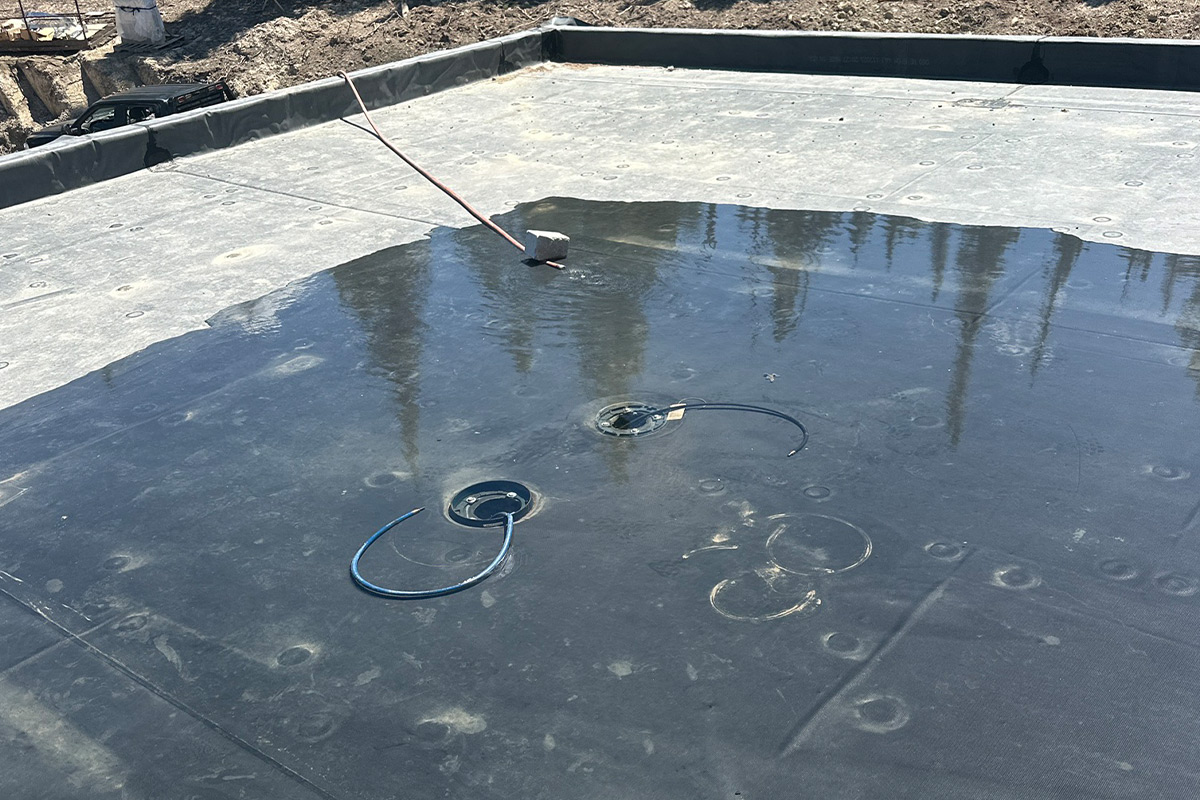
Roof leak mold can grow behind walls, above ceilings, and inside attic spaces when rainwater enters your home and stays there. Even a small leak can wet wood, drywall, and insulation. These damp areas may remain hidden for weeks before you notice a stain or smell. Quick action and proper residential roof repair can help stop water damage before it spreads.
Key Takeaways
- Roof leaks can cause mold in walls, ceilings, and attic spaces.
- A musty smell may point to moisture hidden behind drywall.
- Brown stains, peeling paint, and soft walls can signal water damage.
- Finding and fixing the leak is the first step toward stopping mold.
- Wet materials may need professional drying, cleaning, or removal.
How Can Water From a Roof Leak Cause Mold?
Mold needs moisture and a place to grow. When rain enters through damaged shingles, loose flashing, or worn roof seals, water can travel through the roof deck and into the walls. It may soak wood frames, drywall, and insulation without leaving a clear mark on the room’s surface.
Over time, trapped moisture can allow mold to grow. A room may look clean while the space behind the wall stays damp. This is why it is important to find the source of the leak instead of only covering a water stain.
Common causes include:
- Cracked, missing, or loose roof shingles.
- Damaged flashing around chimneys, vents, and skylights.
- Blocked gutters that allow water to back up under roof edges.
- Worn seals around roof openings.
- Storm damage that creates small gaps in the roof.
Where Can Mold Hide After a Roof Leak?
Mold does not always grow where water first enters. Water can move along wood, pipes, insulation, and other building parts before it reaches a visible surface. As a result, the wet area may be far from the roof damage.
The phrase hidden mold roof leak describes a common concern: mold may grow in spaces that are hard to see during a normal room check. Finding these areas often requires a closer look at the attic, roof deck, and nearby walls.
Check these areas for signs of moisture:
- Behind drywall: Water may soak the back of the wall before stains appear.
- Above ceilings: Roof water can collect around ceiling frames and insulation.
- Inside attics: Damp wood and insulation may support mold growth.
- Around windows: Water from the roof may travel down wall frames and appear near window trim.
- Near chimneys: Damaged flashing can let water into nearby walls.
Do not cut into a wall or ceiling without checking for wiring, pipes, and other hazards. A trained professional can help locate the wet area and decide whether materials need to be opened.
What Are the Early Warning Signs?
Early signs of mold and water damage may be easy to miss. A ceiling stain can look small, and a musty smell may seem like a minor indoor air concern. However, these signs can point to a leak that has been active for some time.
The signs may appear after heavy rain, during snowmelt, or when the roof is exposed to strong wind. Keep an eye on changes in the same area, especially if they return after you clean or repaint it.
Look for these warning signs:
- Brown, yellow, or gray marks on ceilings and walls.
- Paint that bubbles, cracks, or peels.
- Wallpaper that lifts away from the wall.
- A musty smell that does not go away.
- Dark spots near roof lines or ceiling corners.
- Wood that feels soft or looks stained.
- Damp insulation or water marks in the attic.
These signs do not always prove that mold is present. A roof inspection can help identify the source of the moisture and show what needs repair.
What Do Attic Mold Signs Look Like?
The attic is one of the first places to check when a roof leak is suspected. It sits close to the roof deck, so water from damaged shingles or flashing may reach it before it shows up inside a room.
Common attic mold signs include dark patches on wood, a musty smell, damp insulation, and stains around roof openings. Condensation from poor airflow can also cause moisture, so the roof leak may not be the only possible source.
During a safe attic check, look for:
- Dark or fuzzy patches on rafters and roof boards.
- Wet or clumped insulation.
- Water marks around vents and chimneys.
- Rusted metal fasteners or damp nails.
- Signs that water has run down a beam.
- Damp wood near roof edges or valleys.
Avoid walking on attic insulation or stepping between ceiling joists. The ceiling below may not support your weight. If the space has widespread mold or damaged wood, arrange a professional assessment instead of trying to inspect every area yourself.
How Urgent Is a Roof Leak?
A “roof leak” should be checked as soon as possible, even when the water stain is small. Water can spread into materials that are not easy to dry. The longer the moisture stays, the greater the chance of mold, wood damage, and costly repairs.
The level of urgency depends on how much water is entering and where it is going. Active dripping, a sagging ceiling, or water near lights and outlets needs urgent attention. Do not touch wet electrical fixtures. If the ceiling looks ready to fall, keep people away from that area.
Take these steps when you find a leak:
- Keep people and pets away from unsafe areas.
- Place a container under a small drip only if it is safe to do so.
- Move furniture and belongings away from the water.
- Take photos of visible damage from a safe spot.
- Contact a qualified roofer to find and stop the leak.
- Arrange drying and mold checks if materials stayed wet.
For active water entry or sudden storm damage, emergency roof repair may help limit further damage. Do not climb onto a wet, icy, or storm-damaged roof.
Can a Small Leak Lead to Major Home Damage?
Yes. “Small Roof Leak Problems” can grow when a leak is ignored. A slow drip may wet the same area each time it rains. Even if the water does not reach the floor, it can affect insulation, drywall, wood frames, and paint.
Repeated moisture can also weaken building materials. In some cases, homeowners fix the visible stain but leave the wet material behind it. The stain may return because the original leak or damp area was never fully addressed.
Small leaks may lead to:
- Mold growth behind walls or above ceilings.
- Damaged drywall and peeling paint.
- Wet insulation that works less well.
- Rot in roof boards or wall frames.
- Higher repair costs if damage spreads.
- Indoor air concerns linked to mold.
A quick patch may help control water for a short time, but the lasting repair must address the point where water enters. A full check can help show whether the roof, flashing, gutters, or another part of the home needs attention.
How Can You Prevent Mold After a Roof Leak?
The best way to prevent mold is to stop the leak and dry wet areas quickly. Cleaning a visible spot will not solve the problem if moisture remains inside a wall or ceiling. In many cases, both roof work and indoor water-damage work are needed.
The U.S. Centers for Disease Control and Prevention advises fixing leaks and drying wet areas quickly to help prevent mold growth. See the CDC’s guide to mold for more information on moisture control and cleanup.
Use these prevention steps:
- Fix the source: Repair damaged shingles, flashing, or other roof parts.
- Dry wet areas: Remove standing water and dry materials as soon as it is safe.
- Check insulation: Replace materials that cannot be dried or cleaned properly.
- Watch for repeat stains: A returning mark may mean water is still getting in.
- Keep gutters clear: Good drainage helps move rainwater away from the roof.
- Plan routine checks: Look for loose shingles and damaged seals after major storms.
Wet areas should be dried as soon as possible, ideally within 24 to 48 hours when practical. Mold can still develop, so this is not a guarantee that growth will stop. Large areas of mold or mold inside walls may need trained cleanup workers.
What Should You Do About Mold and Roof Damage?
Start by finding the source of the water. A roofer can check the roof surface, flashing, vents, and other possible entry points. If water has reached the inside of the home, a water-damage or mold professional may also need to check walls, ceilings, and insulation.
The right repair depends on what is damaged. Some cases need a small roof repair, while others need new roofing materials and work inside the home. A repair plan should address both the water entry and any wet materials that cannot be saved.
A careful assessment should include:
- The likely point where water enters.
- The size and condition of the damaged roof area.
- Signs of wet wood, drywall, or insulation.
- The need for drying, removal, or mold cleanup.
- Steps to reduce the chance of another leak.
Do not paint over mold or cover a damp stain to make it look better. That hides the sign without fixing the cause. If the damage is large or keeps returning, seek help from trained professionals.
Can Roof Leaks Affect Roof Insurance Claims?
Water damage from a roof leak may lead to roof insurance claims, but coverage depends on the policy, the cause of the leak, and the facts of the damage. Sudden storm damage may be treated differently from damage linked to poor upkeep or long-term wear.
Before removing damaged materials, take photos and keep records of repairs, dates, and any storm damage you noticed. Contact your insurer to ask what documents are needed. Do not assume that mold removal or all interior repairs will be covered.
Helpful records may include:
- Photos of the roof and indoor stains.
- A written report from a roofing professional.
- Repair estimates and invoices.
- Notes about when the leak started.
- Messages or claim instructions from your insurer.
Your insurer decides coverage under the policy. A roofer can document visible damage, but that does not guarantee a claim will be approved.
Conclusion
Roof leak mold can cause damage long before it becomes easy to see. Stains, musty smells, damp insulation, and peeling paint are all reasons to check for a leak. The best way to protect your home is to stop the water, dry the affected area, and deal with mold safely.
For more information about roofing services, visit Evergreen MT. Contact Evergreen MT today to discuss your roof concerns and arrange an assessment of the damage.
Frequently Asked Questions
1. Can a roof leak cause mold behind walls?
Yes. Water can enter through a damaged roof and travel along framing or insulation before reaching the wall. If the material stays damp, mold may grow behind the drywall even when the wall looks normal from the room.
2. How long does it take for mold to grow after a roof leak?
Mold can begin to grow within 24 to 48 hours under suitable conditions, although the timing depends on moisture, temperature, and materials. Drying the area quickly helps lower the risk, but a check may still be needed.
3. Can I remove mold without fixing the roof?
No. Cleaning mold without fixing the leak leaves the source of moisture in place. The mold may return if the area gets wet again. Repair the roof and address damp materials as part of the same plan.
4. Does a musty smell always mean there is mold?
No. A musty smell can point to damp materials or mold, but it does not confirm the cause. Look for stains, wet areas, and other signs. If the smell remains, a professional can help find the source.
5. Should I replace drywall after a roof leak?
Not every leak requires new drywall. The decision depends on how wet the material became, how long it stayed wet, and whether it can be dried and cleaned safely. Soft, swollen, or mold-damaged drywall may need to be removed.